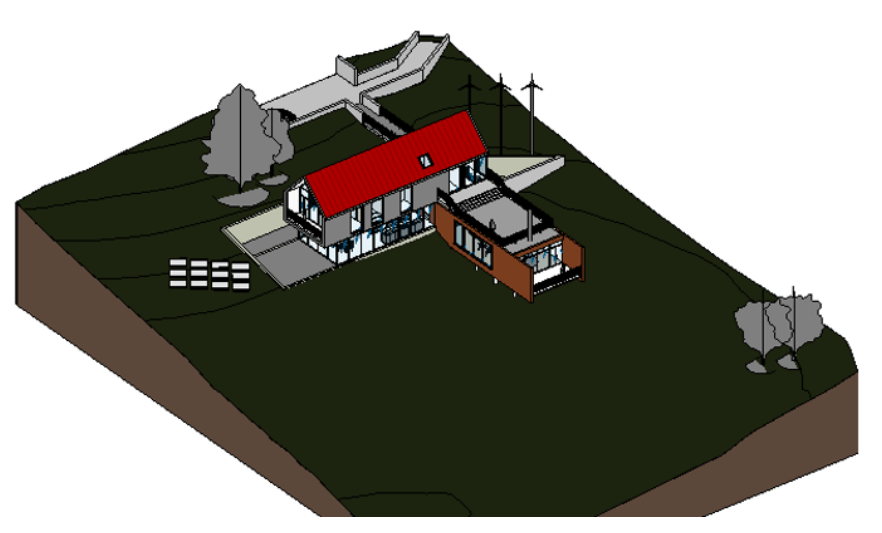
Lets start with a definition of BIM – Building Information Modelling (BIM) is a process for creating and managing information for the construction of built assets.
I think this can be simplified and you can think of BIM has being made up of 2 parts. 1. creating a ‘data rich 3D geometry model’ and 2. the supporting documents and processes used to manage the creation and sharing of these ‘data rich 3D models’. This second part of BIM is controlled on most UK projects by following the ISO19650 standard.
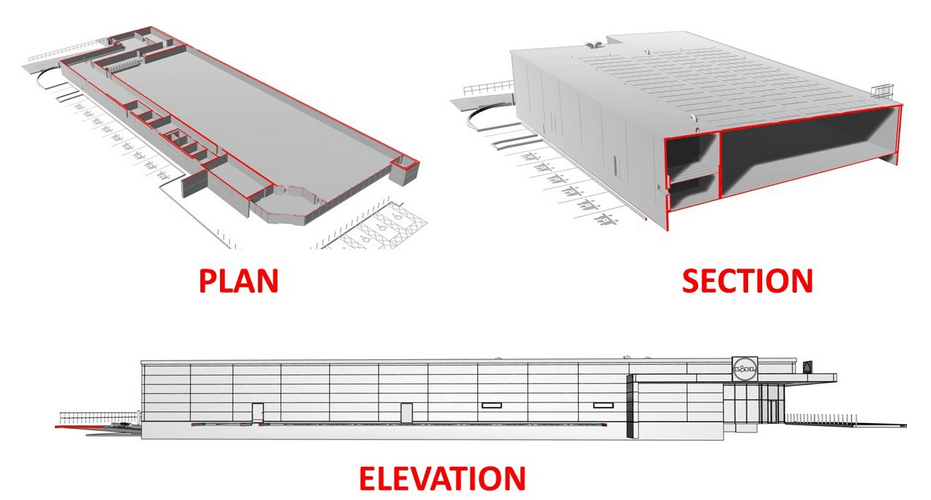
These ‘data rich 3D models’ can be used for generating 2D drawings and schedules as seen below. 90% of a BIM workflow is creating this ‘data rich 3D model’ from which you can automatically generate drawings and schedules, the final 10% is creating standard text documents and following steps as set out in ISO19650 guidelines to ensure the process runs smoothly.
ISO19650 is a structured method plan for using BIM on a construction project. It involves the creation and management of various documents by the different parties including the client to facilitate and gain the benefit of using advanced BIM workflows.

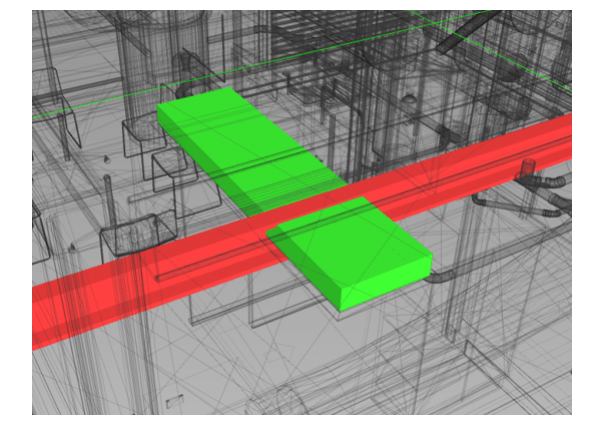
There are many terms associated with the ISO19650 standard and in general the process needs to be managed by a BIM Coordinator. One key term I believe everyone should be aware of is concept of a ‘Federated Model’. A Federated Model is a combined Building Information Model that has been compiled by amalgamating several different models into one (or importing one model into another).
This Federated Model can be used for clash detection as seen in the image below.
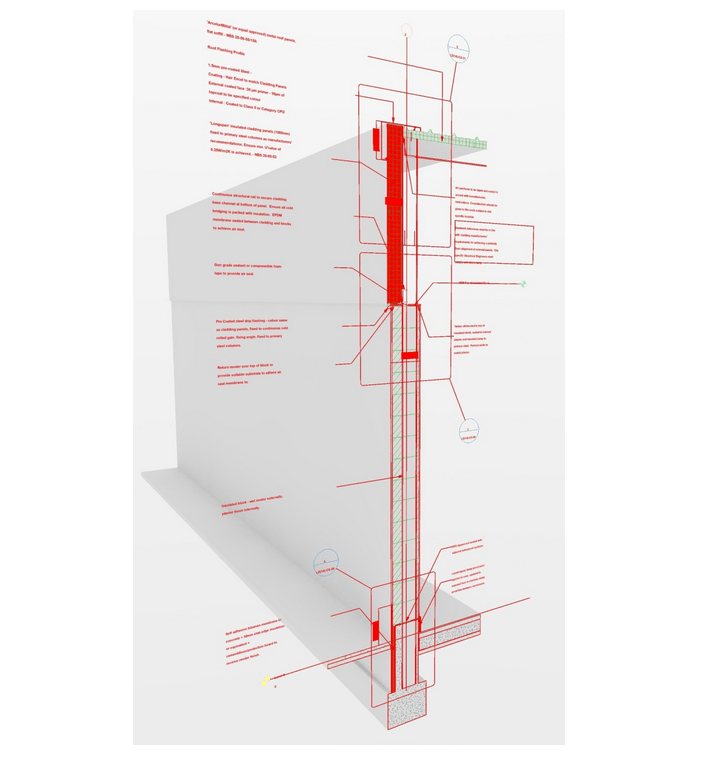
This leads to the question what are 3D models used for and what is the purpose of 2D drawings’? In my opinion at this point in time, we can think of the 3D model as being used for coordination and the 2D drawings being mainly important for construction. This means we share 3D models with other design team consultants to coordinate the design and check for clashes. But we send 2D drawings to the contractor on site to coordinate the construction. So how much should be modelled and how much should be drawn. This is a difficult question and perhaps you could leave your thoughts on it in the comments section. The image below shows a less detailed 3D model with a more detailed 2D drawing overlaid.
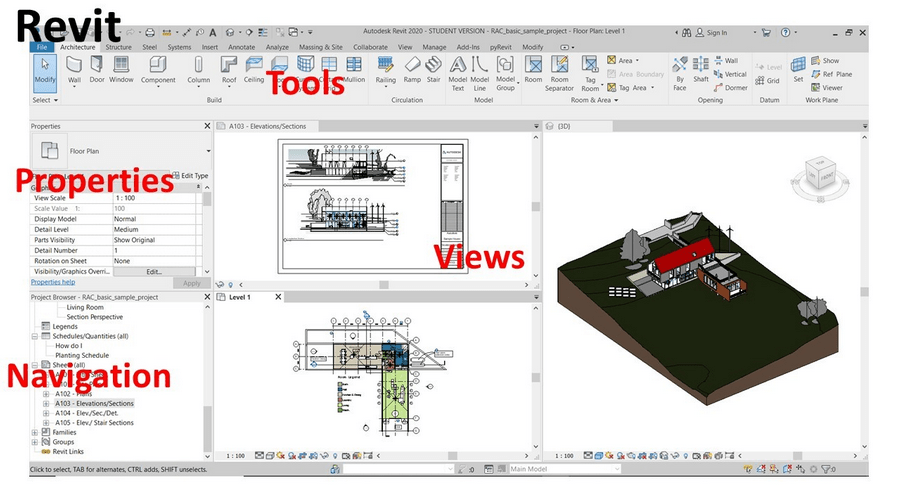
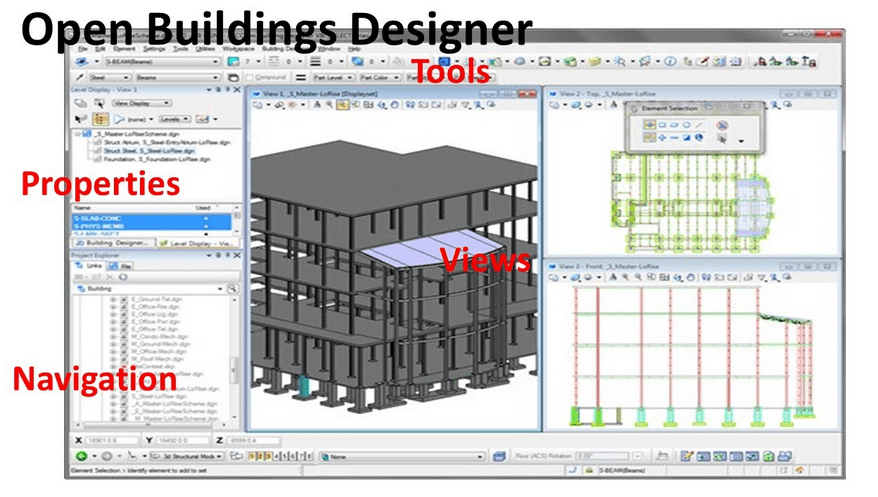
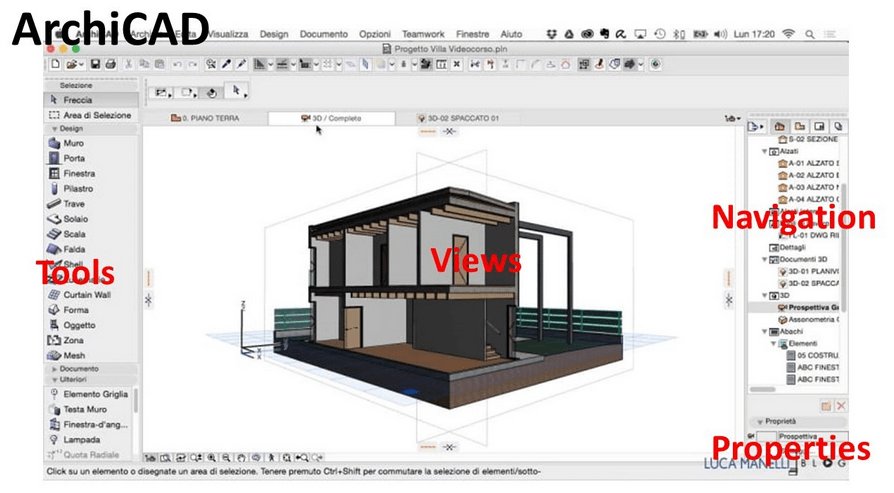
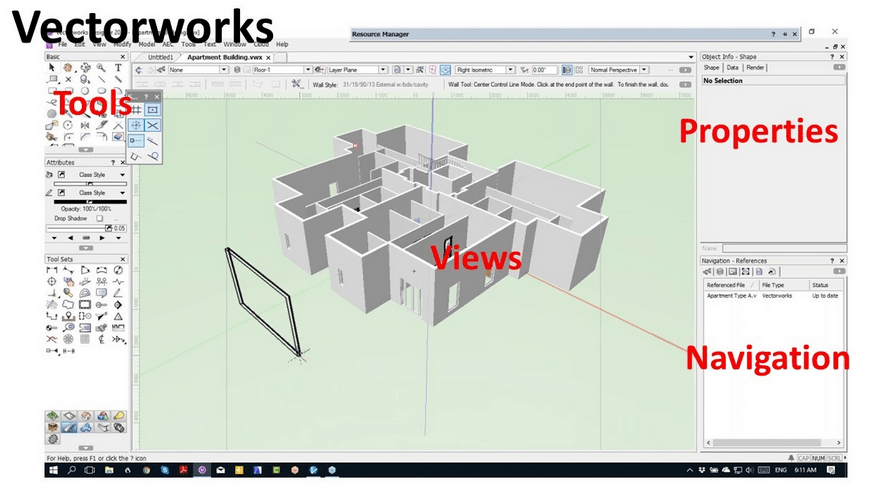
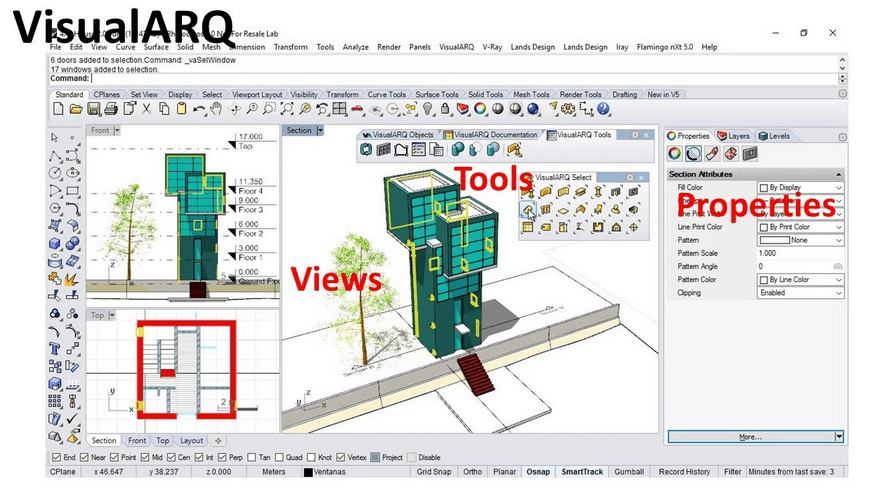
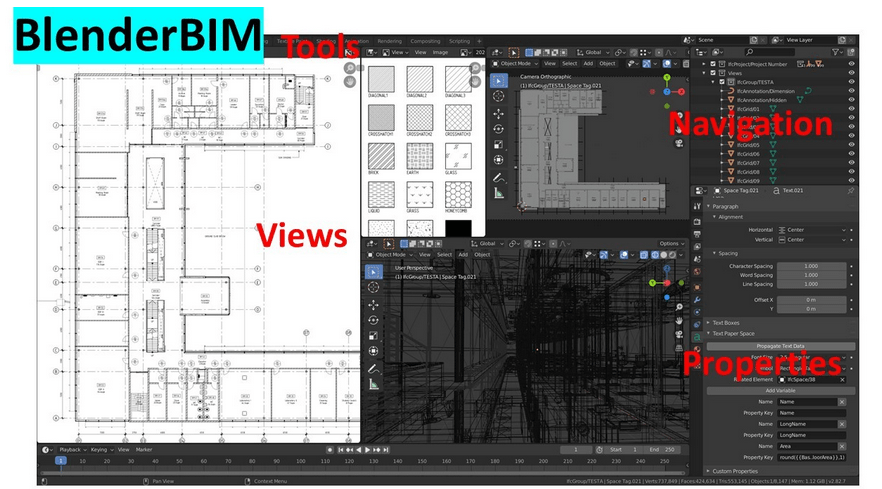
To be able to create these ‘data rich 3D models’ we need BIM authoring software. There are many products out there which I have tried to list below. But there is an important concept to be aware of and that is there are now second generation BIM authoring tools. I have listed them below too. I have tried to highlight the common or shared parts of the user interfaces of different BIM authoring tools (see the red text).
Second generation BIM authoring tools are also called Visual Programming languages. They work by constructing flow diagrams of boxes and wires that perform actions to generate geometry of automate tasks. Please see my other articles for a better explanation.
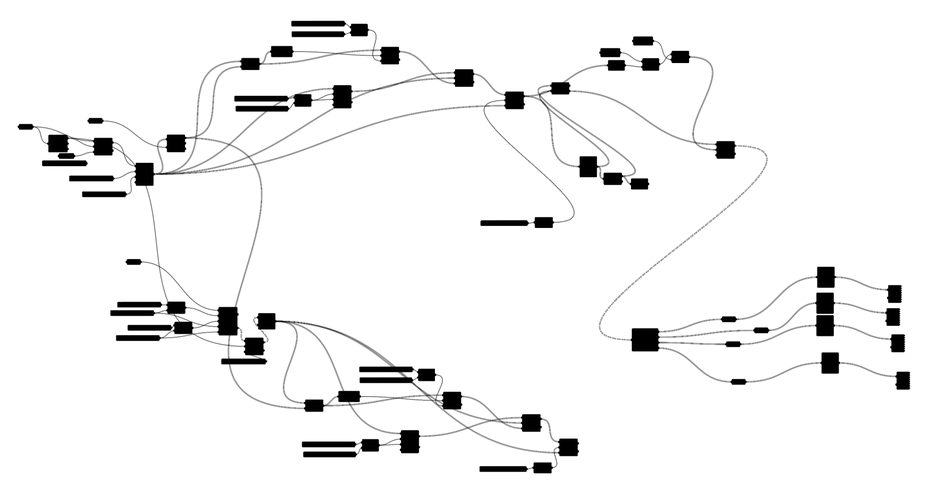
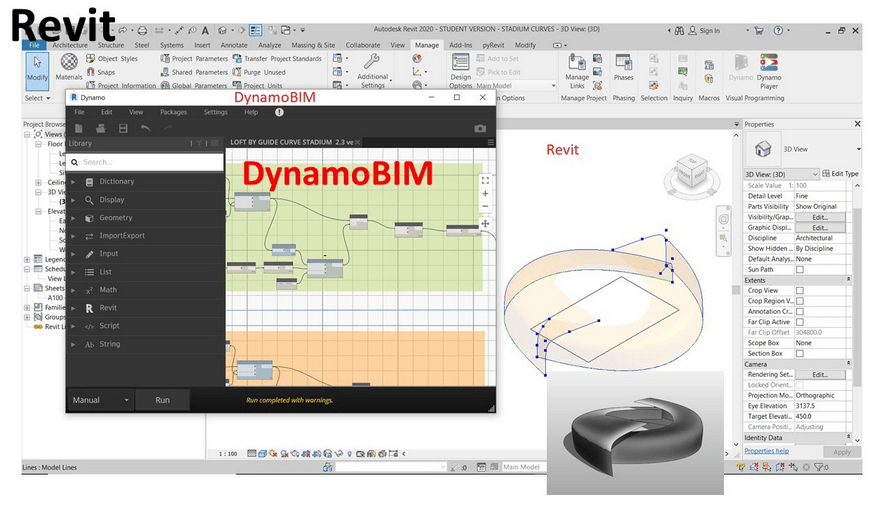
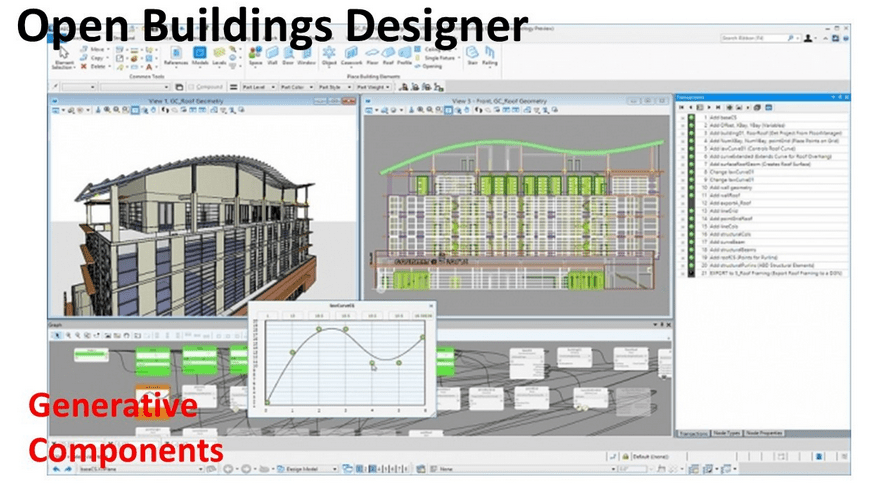
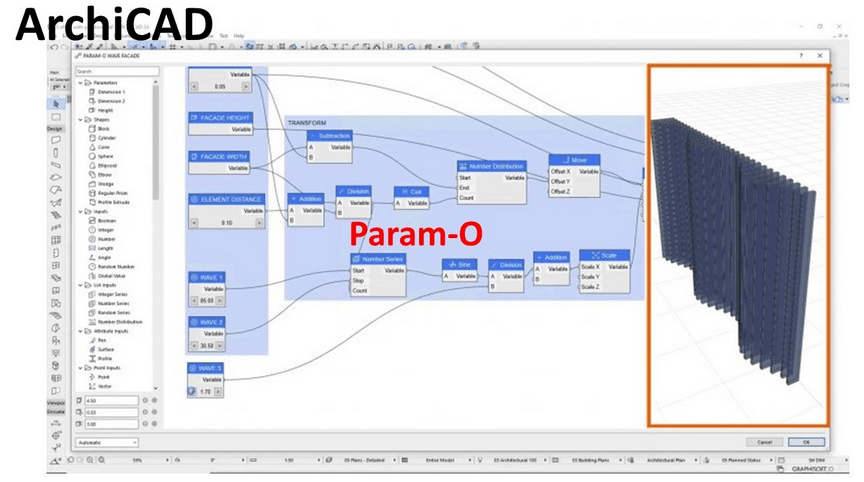
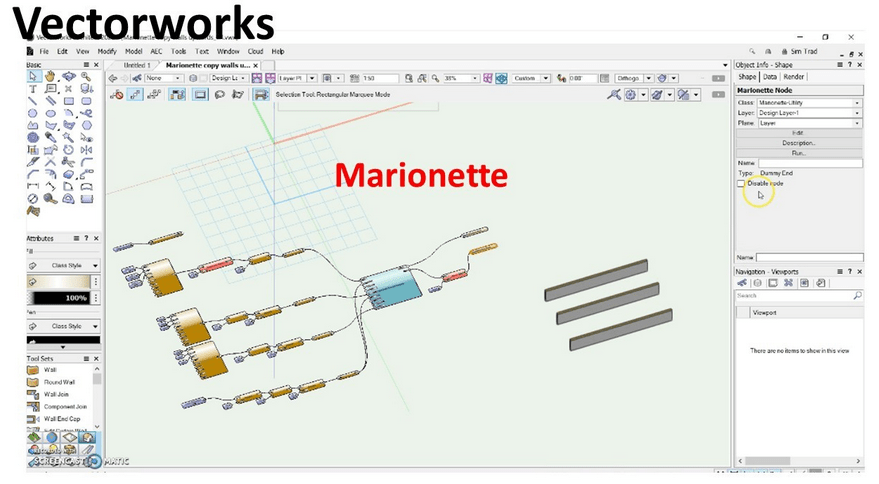
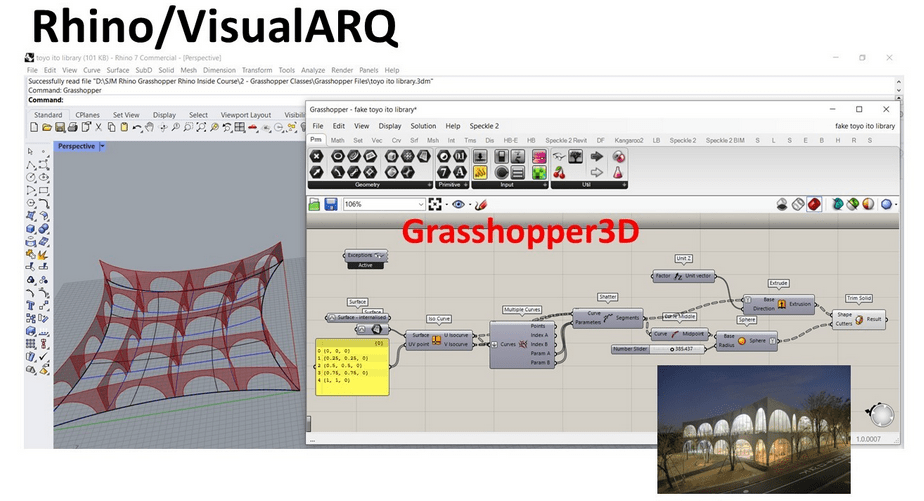
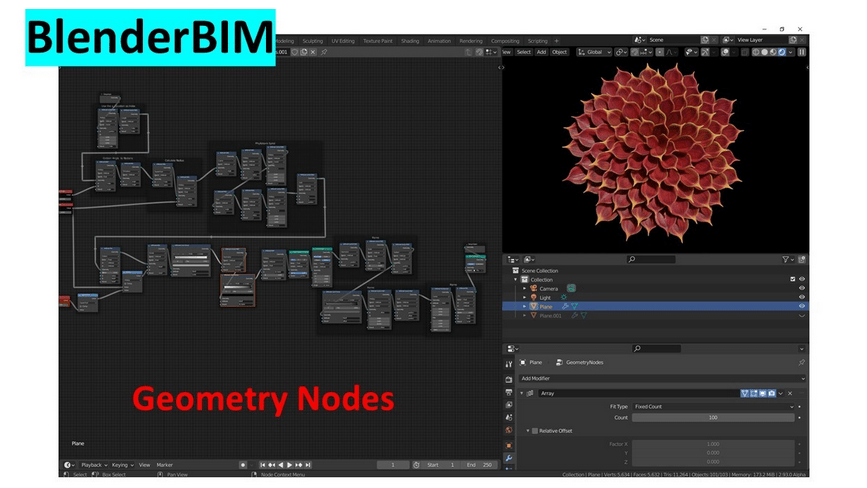
These second generation tools will definitely become more important to the architecture design sector and are 100% worth learning. Blender 3D (Geometry Nodes) is Free software and a great place to start.
 SJM Studio Leeds